

Living or Traveling around the Chesapeake Bay and Rivers


Coastal Virginia Relocation Guide
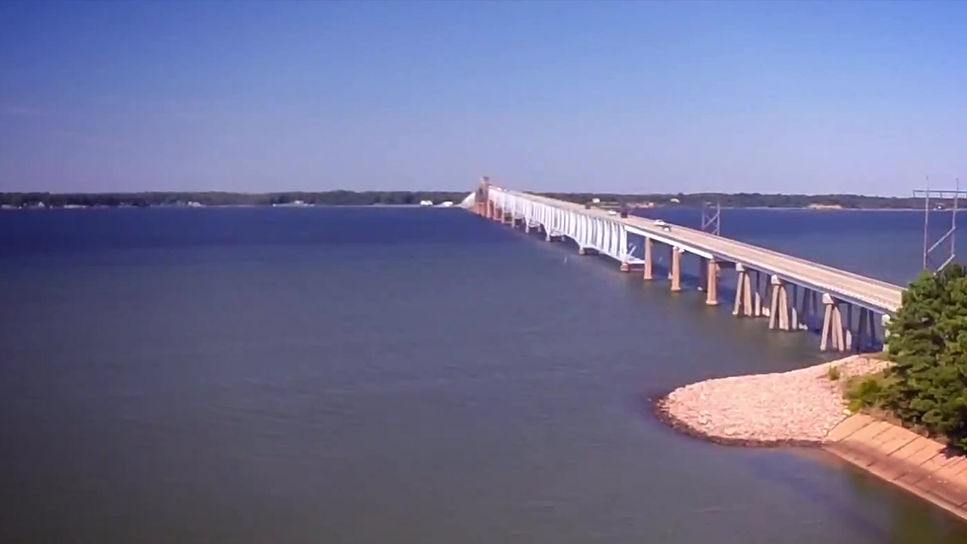
Thinking about moving to Coastal Virginia? Our relocation guide from Down By The Bay In VA helps you explore life along the Chesapeake Bay, including waterfront communities, small-town living, real estate trends, local attractions, and what makes Virginia’s Northern Neck and Middle Peninsula such unique places to call home.




Best-Fit Towns by Lifestyle
Irvington / Kilmarnock
If you’re looking for a balance of upscale coastal living, shopping, restaurants, and community events, Irvington and Kilmarnock are often at the top of the list. These neighboring towns offer a mix of waterfront homes, golf communities, boutique shopping, marinas, and healthcare access while still maintaining the relaxed charm of Virginia’s Chesapeake Bay region. This area is especially popular with retirees, second-home buyers, and those seeking a more refined small-town lifestyle.
Deltaville
Known as the “Boating Capital of the Chesapeake Bay,” Deltaville is ideal for boaters, fishermen, and anyone who wants easy access to the water. Life here revolves around marinas, sailing, seafood, and outdoor recreation. Deltaville has a laid-back atmosphere and appeals to people looking for a true coastal lifestyle without the crowds and traffic found in larger beach towns.
Urbanna
Urbanna combines historic charm with waterfront beauty and a walkable small-town feel. Famous for its annual oyster festival, this riverside town offers a slower pace of life while still having restaurants, marinas, local shops, and community events. Urbanna is a great fit for buyers who appreciate history, boating, and a close-knit community atmosphere.
Mathews
Mathews is perfect for those seeking peace, privacy, and a deep connection to the Chesapeake Bay lifestyle. With winding back roads, waterfront views, and a strong sense of local heritage, Mathews appeals to nature lovers, artists, boaters, and buyers looking to escape busy suburban life. It’s one of the most rural and scenic coastal counties in Virginia.
Gloucester
Gloucester offers one of the best blends of convenience and coastal living in the region. Residents enjoy access to shopping, healthcare, schools, and larger retailers while still being close to rivers, marinas, and waterfront communities. Gloucester is often a good fit for families, commuters, and buyers who want more amenities while staying connected to the Chesapeake Bay lifestyle.
White Stone
White Stone is a charming waterfront town known for its small-town atmosphere, local restaurants, marinas, and proximity to the Rappahannock River and Chesapeake Bay. It’s a favorite among retirees, vacation homeowners, and anyone looking for a relaxed coastal lifestyle with easy access to boating and waterfront dining. White Stone also sits conveniently between Kilmarnock and Irvington.
Tappahannock
Tappahannock provides a more traditional small-town experience with additional shopping, healthcare, and commercial conveniences compared to some smaller waterfront communities. Located along the Rappahannock River, it offers a mix of historic charm, riverfront living, and practical amenities. Tappahannock can be a great option for buyers looking for affordability and accessibility while still enjoying life near the water.
Waterfront Realities Buyers Need to Understand
Buying waterfront property in Coastal Virginia can be an incredible investment and lifestyle upgrade, but there are important realities that buyers should understand before purchasing. Every waterfront property is different, and factors like flood zones, water depth, and shoreline regulations can significantly impact ownership costs and usability.
Flood Zones
Many waterfront homes along the Chesapeake Bay, rivers, and creeks are located in FEMA flood zones. This can affect insurance costs, financing requirements, and future building or renovation plans. Some properties have surprisingly affordable flood insurance, while others may carry much higher premiums depending on elevation and risk classification. Buyers should always review flood maps and insurance estimates early in the process.
Insurance Costs
In addition to flood insurance, waterfront homes may have higher homeowners insurance premiums due to wind exposure, storms, and coastal risks. Older homes can also present additional insurance challenges depending on roof age, foundation type, or previous storm damage history. Understanding total insurance costs upfront is extremely important when budgeting for waterfront ownership.
Docks and Pier Regulations
Not every waterfront property automatically allows for a dock or pier. Existing docks may also have restrictions related to size, condition, water depth, or local permitting requirements. In Virginia, dock construction and modifications are often regulated by local, state, and environmental agencies. Buyers should verify whether permits exist and whether the current setup meets their intended use.
Water Depth Matters
One of the biggest misconceptions buyers have is assuming all waterfront property provides the same boating access. Water depth can vary dramatically from one creek to another and even from one section of shoreline to the next. Some properties are ideal for kayaks and paddleboards but may not support larger boats at low tide. Buyers planning to keep a boat should always confirm average depth, tidal fluctuations, and navigability before purchasing.
Septic Systems and Wells
Many homes in Virginia’s coastal communities rely on private septic systems and wells instead of public utilities. Septic inspections, drain field locations, water quality testing, and system capacity are all important considerations. Older waterfront homes may have aging systems that require updates or repairs. Understanding the condition and limitations of these systems is essential during the inspection process.
Shoreline Maintenance
Waterfront ownership often comes with ongoing shoreline maintenance responsibilities. Bulkheads, riprap, erosion control measures, and living shorelines may require repairs or future improvements over time. Erosion patterns can vary depending on wave activity, storms, and location. Buyers should understand the condition of the shoreline protection systems and the potential maintenance costs involved.
Riparian Rights and Water Access Considerations
Riparian rights determine how property owners can use adjacent waterways. These rights may include access for boating, fishing, or dock construction, but they can also come with limitations depending on neighboring properties, easements, environmental regulations, or protected wetlands. Some waterfront homes offer expansive views but limited practical water access. Buyers should carefully review surveys, plats, and access rights before making a purchase.

Weekend vs. Full-Time Living in Coastal Virginia
One of the biggest decisions buyers face when moving to Coastal Virginia is whether they want a weekend getaway property or a full-time residence. While the Chesapeake Bay lifestyle can feel like a permanent vacation, living here full-time comes with different considerations than simply visiting on weekends.
Medical Access
Some waterfront communities are more rural than buyers initially realize. While the region has hospitals, urgent care centers, and medical providers, drive times can vary depending on where you live. Buyers who need frequent medical care or want quick access to specialists should carefully consider proximity to healthcare facilities when choosing a town or property.
Grocery Stores and Everyday Conveniences
Small-town coastal living often means fewer big-box retailers and grocery options compared to larger suburban areas. Some towns have excellent local markets and essentials nearby, while others may require a 20- to 40-minute drive for major shopping trips. Full-time residents should think about how often they’ll need access to groceries, pharmacies, and everyday services.
Finding Contractors and Home Services
Reliable contractors can sometimes be harder to schedule in rural waterfront areas, especially during busy seasons. Whether it’s HVAC service, dock repairs, landscaping, or remodeling work, buyers should understand that wait times and service availability may differ from larger cities. Building relationships with trusted local contractors is an important part of coastal homeownership.
Marinas and Boating Lifestyle
For boaters, marina access can be one of the biggest lifestyle factors. Some buyers prefer private docks, while others enjoy the convenience and social atmosphere of marina living. Availability of boat slips, fuel access, maintenance services, and winter storage options can vary significantly from town to town around the Chesapeake Bay.
Restaurants and Entertainment
Coastal Virginia offers excellent local seafood, waterfront dining, wineries, breweries, and small-town events, but the restaurant scene is different from major metro areas. Some towns become much busier during tourist season, while others remain quiet year-round. Buyers should consider whether they want a lively weekend atmosphere or a slower-paced environment with fewer crowds.
Drive Times and Accessibility
Life in Coastal Virginia often involves more driving than newcomers expect. Travel times between towns, grocery stores, marinas, healthcare providers, and larger cities can add up quickly. While many residents love the peaceful pace and scenic roads, buyers relocating full-time should think carefully about commute times, airport access, and how remote they truly want to be.
Coastal Virginia Buyer Timeline
Relocating to Coastal Virginia involves more than simply finding a home you love. Waterfront properties, rural utilities, inspections, and insurance considerations can make the process different from buying in a typical suburban market. Here’s a general timeline buyers can expect when moving to Virginia’s Chesapeake Bay region.
90 Days Out
This is the ideal time to begin preparing for your move. Buyers should start narrowing down which towns and lifestyle areas fit them best, whether that’s a boating-focused community like Deltaville or a more convenience-oriented area like Gloucester or Tappahannock.
During this stage, it’s important to:
-
Determine your budget and financing options
-
Connect with a local lender if financing
-
Research flood insurance and waterfront considerations
-
Begin touring areas virtually or in person
-
Discuss priorities like boating access, medical access, schools, or walkability
Many out-of-area buyers underestimate how different each Chesapeake Bay town can feel, so taking time upfront is extremely valuable.
30 Days Out
By this point, buyers are usually actively touring homes and preparing to make offers. This is also when logistics start becoming more important.
Tasks during this phase often include:
-
Reviewing comparable sales and pricing trends
-
Narrowing down preferred neighborhoods or waterfront types
-
Gathering insurance estimates on potential homes
-
Planning moving logistics and timelines
-
Understanding septic, well, dock, or flood zone implications on properties of interest
For waterfront buyers especially, this is the stage where details matter.
Offer Week
Once the right property is found, the offer process begins. In Virginia, negotiations may involve not only price, but also inspection timelines, earnest money deposits, closing dates, and contingencies.
A strong offer often includes:
-
Competitive pricing based on market conditions
-
Reasonable inspection timelines
-
Proof of funds or lender pre-approval
-
Understanding of waterfront-specific concerns
-
Clear communication between all parties
The goal is to structure an offer that protects the buyer while also giving the seller confidence in the transaction.
Inspection Week
Inspection week is one of the most important stages of the process, especially with coastal and waterfront homes. Buyers may have multiple inspections happening within a short period of time.
Common inspections include:
-
General home inspection
-
Septic inspection
-
Well water testing
-
Termite and moisture inspection
-
Dock or shoreline evaluations
-
HVAC, roof, or structural assessments if needed
This is when buyers gain a full understanding of the home’s condition and any future maintenance considerations.
Closing and Move-In
As closing approaches, final financing, insurance, and title work are completed. Buyers will typically perform a final walkthrough shortly before closing to verify the property’s condition.
Move-in planning may include:
-
Utility transfers
-
Internet and service setup
-
Dock or marina arrangements
-
Insurance activation
-
Contractor scheduling for any immediate projects
For many buyers, this is when the exciting part truly begins - settling into life along the Chesapeake Bay and enjoying the slower pace, waterfront scenery, and coastal lifestyle that make this region so unique.

Local Vendor Categories to Understand
One of the most important parts of relocating to Coastal Virginia is building a trusted network of local professionals. Waterfront and rural properties often require specialized knowledge that differs from traditional suburban homeownership. Having the right local experts can make the buying process smoother and help protect your investment long after closing.
Local Lender
Working with a lender familiar with Coastal Virginia and waterfront properties can make a major difference during the buying process. Local lenders often better understand flood insurance considerations, septic and well properties, unique appraisal challenges, and the realities of rural or waterfront transactions. They can also help buyers move more efficiently through underwriting and closing.
Insurance Agent
Insurance is one of the biggest areas where coastal buyers can be surprised. A knowledgeable local insurance agent can help buyers understand flood insurance requirements, wind coverage, waterfront risks, and overall ownership costs before purchasing a property. Getting insurance estimates early is especially important for waterfront homes.
Dock and Seawall Contractors
Waterfront infrastructure requires ongoing maintenance and occasional repairs. Buyers should understand who handles dock construction, pier repairs, bulkheads, riprap, erosion control, and living shoreline projects in the area. Qualified marine and shoreline contractors are essential resources for protecting waterfront property over time.
Septic and Well Professionals
Many homes throughout the Northern Neck and Middle Peninsula rely on private septic systems and wells. Buyers should know who to call for inspections, repairs, water testing, drain field evaluations, and ongoing maintenance. Older systems may require upgrades or additional attention, making experienced local professionals extremely valuable.
Surveyors
Property surveys are especially important with waterfront real estate. A surveyor can help verify property lines, easements, encroachments, flood zone boundaries, shoreline features, and dock locations. Surveys may also reveal access concerns or riparian rights issues that buyers should understand before closing.
Marine Contractors
Marine contractors specialize in work directly related to waterfront usability and boating infrastructure. This may include dredging, dock pilings, boat lifts, shoreline stabilization, and marina-related improvements. Buyers planning to keep boats or expand waterfront access should understand what improvements are feasible for a property.
Property Management and Caretaker Services
Many Coastal Virginia homes are second homes, vacation properties, or seasonal residences. Property managers and caretaker services can help monitor homes while owners are away, coordinate maintenance, prepare homes for storms, and manage short-term rentals if applicable. These services can provide peace of mind for out-of-town owners and part-time residents.
Ready to Relocate to Coastal Virginia?
Whether you're searching for a quiet waterfront retreat, a boating-friendly property with deep water access, or a full-time home near the Chesapeake Bay, choosing the right town matters.
Want a personalized town-by-town shortlist? Send Joshua your:
-
Budget
-
Boat depth or waterfront needs
-
Desired lifestyle
-
Move timeline
He’ll help narrow down the best Coastal Virginia communities for your goals, whether you're looking in Irvington, White Stone, Deltaville, Gloucester, Urbanna, Mathews, Tappahannock, or beyond.